The modern home is more than just a collection of rooms; it is a sophisticated “building envelope.” This envelope is the physical separator between the conditioned interior environment and the unpredictable exterior world. When this barrier is compromised, your home loses energy, your utility bills skyrocket, and the structural integrity of the building begins to degrade. Protecting your home from the elements requires a dual-pronged approach: high-quality insulation to trap thermal energy and a robust exterior defense to repel wind, rain, and UV radiation.
True home efficiency isn’t achieved by a single weekend project. It is the result of an integrated strategy where every component—from the peak of the attic to the seal at the bottom of the basement door—works in harmony. By understanding how heat moves and how water infiltrates, homeowners can make informed decisions that ensure long-term comfort and financial savings.
The Roof as the Ultimate Weather Barrier
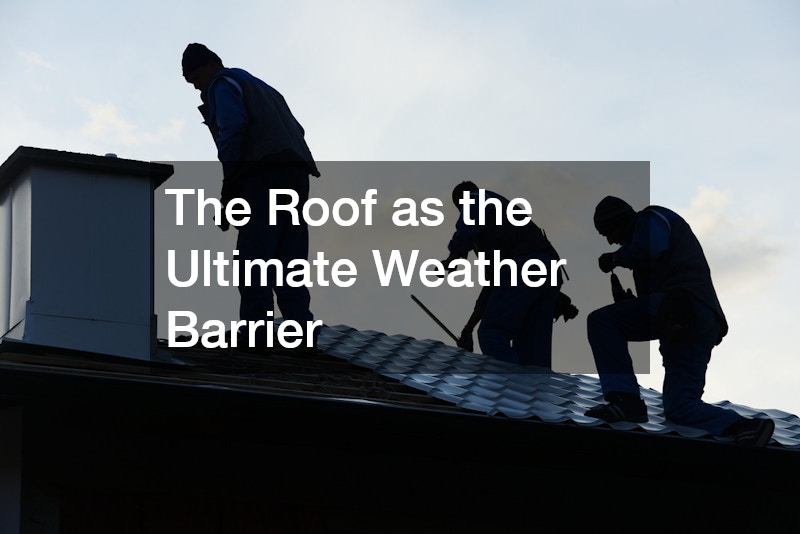
The roof is your home’s first line of defense against the punishing forces of nature. It bears the brunt of solar radiation in the summer and the weight of snow and ice in the winter. Beyond simply keeping the rain out, a well-engineered roofing system acts as a thermal regulator. In many homes, the attic is the primary source of heat gain and loss; therefore, the quality of your overhead protection dictates the efficiency of the entire structure.
When a roof begins to age, the signs of failure are often subtle before they become catastrophic. Granule loss, cracked shingles, or rusted flashing can allow moisture to seep into the decking, leading to rot and mold that compromises your insulation. This is why professional oversight is vital. Engaging high-quality roofing services ensures that the “out of sight, out of mind” areas, such as ridge vents and valley liners, are functioning correctly. Furthermore, a certified roofer can identify structural weaknesses that a layperson might miss, such as sagging rafters or inadequate ventilation that leads to ice damming.
- Ventilation Balance: Ensure your soffit vents are not blocked by insulation, allowing a continuous flow of air to prevent heat buildup.
- Flashing Inspection: Check the seals around chimneys and skylights every spring to prevent slow, hidden leaks.
- Gutter Maintenance: Keep drainage paths clear to ensure water is diverted away from the foundation.
Materials That Redefine Durability
In the quest for a more resilient home, the choice of materials plays a pivotal role. While traditional asphalt shingles are the most common choice, homeowners looking for the pinnacle of longevity and energy efficiency are increasingly turning to advanced alternatives. These materials not only withstand higher wind speeds but also offer superior thermal properties by reflecting more sunlight away from the structure.
Among these options, metal roofing stands out as a premier solution for both cold and hot climates. Unlike organic materials that can warp or rot, steel and aluminum systems are virtually impervious to the elements and can last fifty years or more. Because these systems reflect a significant portion of solar radiant heat, they can reduce cooling costs by up to 25%. However, the installation of such specialized materials is not a DIY task. It requires the precision and specialized tools of experienced roofing contractors who understand the nuances of thermal expansion and specific fastening patterns required for a lifetime of protection.
- Reflectivity: Look for “Cool Roof” rated materials that maintain lower surface temperatures.
- Wind Ratings: In hurricane-prone areas, prioritize systems tested for 120+ mph gusts.
- Recyclability: Consider the environmental impact; many modern roofing systems are 100% recyclable at the end of their lifespan.
The Core of Internal Climate Management
While the exterior shell keeps the weather out, your internal mechanical systems work to maintain a steady, breathable environment. The relationship between insulation and your heating and cooling equipment is symbiotic; the better your insulation, the less work your machinery has to do. However, even the best-insulated home will feel uncomfortable if the mechanical systems are neglected or improperly sized.
The HVAC system is the lungs of the home. Dust buildup, refrigerant leaks, or worn-out motors cause the system to run longer cycles, consuming more electricity and shortening the lifespan of the equipment. Regular hvac services, including coil cleaning and duct inspections, are essential for maintaining the efficiency of the building envelope. During the winter months, the stakes are even higher. If your furnace or heat pump fails during a cold snap, the lack of thermal input can lead to frozen pipes and structural damage. Seeking timely heating repair at the first sign of a strange noise or a drop in output is a critical part of home protection.
- Filter Changes: Replace air filters every 90 days to maintain airflow and indoor air quality.
- Duct Sealing: Use mastic sealant or metal tape to close gaps in visible ductwork in the basement or attic.
- Smart Controls: Install a programmable thermostat to reduce the load when the house is empty.
Managing Thermal Bridges and Water Systems
A major but often overlooked aspect of home protection is the management of water—both as a liquid and as a vapor. Water is the enemy of insulation. When fiberglass or cellulose becomes wet, its R-value (thermal resistance) plummets, and it can become a breeding ground for biological growth. Protecting the home involves managing the water that enters the house for utility purposes just as much as managing the rain that falls on the roof.
Your plumbing system is a significant part of the thermal equation. A water heater that sits in a cold garage or basement is constantly losing heat through its jacket. Insulating the first six feet of hot and cold water pipes and using an insulating blanket on the tank can significantly reduce standby energy loss. Beyond the pipes, the apertures of the house—the windows—are often the weakest links in the thermal chain. A high-quality window installation using double or triple-pane glass with argon gas fills creates a transparent wall that blocks heat transfer while allowing in natural light.
- Low-E Coatings: Choose glass with microscopic layers of metallic oxide to reflect infrared heat back into the room.
- Pipe Sleeves: Use foam pipe insulation to prevent condensation and heat loss.
- Leak Sensors: Place smart water sensors near heaters and appliances to catch failures early.
Sealing the Perimeter Gaps
The final frontier of home insulation is the “micro-gap.” These are the tiny cracks around doors, windows, and utility penetrations that, when added together, can equal the size of a window being left wide open all year round. Air infiltration is a primary cause of discomfort, creating drafts that make a room feel colder than the thermostat suggests.
Doors are particularly prone to energy leakage. Over time, houses settle, and door frames may become slightly out of square, creating gaps. Replacing worn weatherstripping is an easy fix, but you must also ensure that the door hardware is pulling the door tight against the seals. A loose latch or a misaligned deadbolt can prevent a proper seal, allowing air to whistle through the edges. Furthermore, an uninsulated garage door acts as a giant radiator of cold air, chilling adjacent rooms. Upgrading to a door with a high R-value and a robust bottom seal can transform the thermal profile of your ground floor.
- Threshold Adjustments: Most door thresholds have screws that allow you to raise or lower them to meet the bottom sweep.
- Expanding Foam: Use low-expansion spray foam to seal gaps where plumbing or electrical wires exit the house.
- Caulking: Inspect exterior caulk around door frames and replace it if it is cracked or peeling.
Advanced Insulation Strategies for Every Level
To truly insulate a home to a professional standard, one must look at the different types of heat transfer: conduction, convection, and radiation. Traditional fiberglass batts handle conduction well, but they do little to stop convection (air movement). This is why a “hybrid” approach to insulation is often the most effective.
In the attic, adding a layer of blown-in cellulose over existing batts can fill the gaps and nooks that batts often miss. In the basement or crawlspace, rigid foam board or spray foam can be applied to the rim joists—the area where the house frame meets the foundation. This is one of the most common spots for air infiltration. By sealing these rim joists, you stop the “stack effect,” where cold air is sucked in at the bottom of the house and warm air is pushed out through the top.
- Attic R-Value: Aim for an R-value of R-49 to R-60 in cold climates, which usually means about 15 to 20 inches of insulation.
- Radiant Barriers: In hot climates, a foil-faced barrier in the attic can reflect 97% of radiant heat.
- Wall Cavities: If your walls feel cold to the touch, consider dense-pack cellulose injection to fill empty cavities without removing drywall.
Moisture Control and the Vapor Barrier
Protection from the elements is not just about keeping the wind out; it’s about managing the humidity inside. When warm, moist air from your kitchen or bathroom hits a cold surface (like the inside of a poorly insulated wall), it condenses into water. This hidden moisture can rot your studs and ruin your insulation.
A vapor retarder or barrier is a material, typically a plastic or foil sheet, that resists the diffusion of moisture through walls and ceilings. In most climates, this should be installed on the “warm-in-winter” side of the insulation. However, in modern construction, the trend is moving toward “smart” vapor retarders that can change their permeability based on the humidity level, allowing the wall to dry out if moisture does manage to get inside.
- Bathroom Ventilation: Always run exhaust fans during and after showers to move moisture out of the house, not into the attic.
- Crawlspace Encapsulation: Cover the ground in crawlspaces with a heavy plastic vapor barrier to stop ground moisture from rising into the floor joists.
- Dehumidification: In humid climates, a whole-house dehumidifier integrated into the HVAC system can make a higher temperature feel much cooler, saving energy.
The Role of Landscaping in Protection
Efficiency doesn’t stop at the walls of the house. The environment immediately surrounding your home—the “microclimate”—can be manipulated to provide additional protection. This is often referred to as “xeriscaping” or “energy-efficient landscaping.”
Deciduous trees planted on the south and west sides of a home provide shade in the summer, significantly reducing the cooling load. In the winter, these trees lose their leaves, allowing the sun’s warmth to hit the house and provide passive solar heating. On the north side, a row of evergreens can act as a windbreak, shielding the home from the freezing winter gusts that strip heat away through convection.
- Foundation Planting: Avoid planting large shrubs too close to the foundation, as they can trap moisture against the siding and encourage rot.
- Shading the A/C: Shading your outdoor air conditioning unit can increase its efficiency, but ensure there is at least two feet of clearance for airflow.
- Grading: Ensure the soil slopes away from the house at a rate of at least six inches for every ten feet to prevent water from pooling near the foundation.
Financial Incentives and Long-Term Value
Investing in the protection and insulation of your home is one of the few home improvements that offers a guaranteed return on investment. Beyond the monthly savings on utility bills, many governments and local utility companies offer rebates, tax credits, and low-interest loans for energy-efficiency upgrades.
For example, the Energy Efficient Home Improvement Credit allows homeowners to claim a significant percentage of the cost of insulation, high-efficiency doors, and HVAC upgrades on their federal taxes. Furthermore, when the time comes to sell your home, a documented history of low energy bills and high-quality exterior maintenance serves as a powerful selling point. A home that is fortified against the elements is far more attractive than one with hidden drafts and aging systems.
- Energy Audits: Many utility companies offer free or discounted professional energy audits to identify exactly where your home is losing money.
- Documentation: Keep all receipts and manufacturer certificates for upgrades to provide to future buyers or for tax purposes.
- Lifecycle Costing: When choosing between materials, calculate the cost over 20 years rather than just the upfront price.
The Integrated Future of Home Protection

As we look toward the future, the technology of home protection continues to evolve. From “phase-change materials” that can store and release thermal energy to “smart glass” that tints itself based on the intensity of the sun, the options for creating a high-performance home are expanding. However, the fundamentals remain the same: a dry home is a healthy home, and a sealed home is an efficient home.
By taking a holistic view of your property, you transition from being a reactive homeowner to a proactive steward of your environment. Addressing the roof, the mechanical systems, the windows, and the doors as a single, interconnected shield ensures that your living space remains a sanctuary, regardless of what is happening outside. The investment you make today in insulation and structural protection will pay dividends in comfort, safety, and financial stability for decades to come. Efficiency is not just a trend; it is the foundation of a resilient and sustainable lifestyle.